Boston Dynamics Atlas Now Working in Manufacturing Plants
The humanoid robot Atlas begins deployment in automotive manufacturing, handling tasks previously considered too complex for automation.
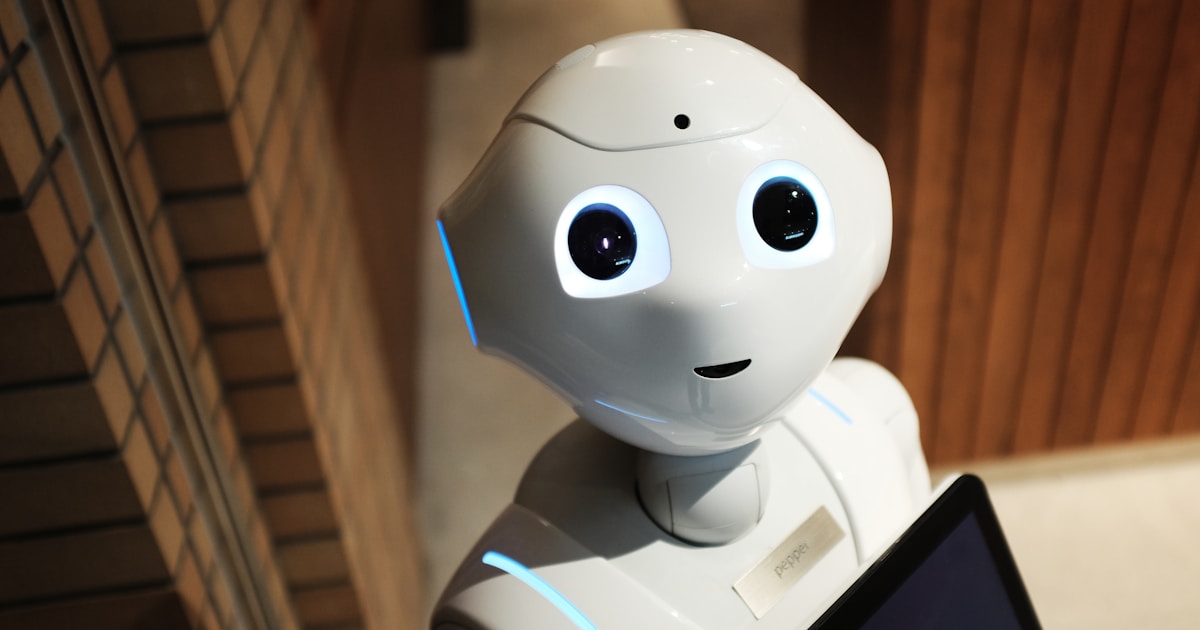
Boston Dynamics has begun deploying its Atlas humanoid robots in real-world manufacturing environments for the first time. The pilot program, launched in partnership with two major automotive manufacturers, marks a pivotal moment for humanoid robotics in industrial settings.
From Lab to Factory Floor
Unlike traditional industrial robots that are bolted in place and perform repetitive tasks, Atlas navigates dynamic factory environments, adapts to unexpected situations, and works alongside human employees. The robots are currently handling:
- Component inspection — Moving between stations to visually inspect parts
- Material transport — Carrying irregular-shaped components across the factory
- Assembly assistance — Holding parts in place while human workers complete complex installations
Technical Capabilities
The manufacturing-optimized Atlas features several improvements over previous iterations:
- Enhanced grip sensors for handling diverse materials
- 18-hour operational battery life
- Real-time environment mapping and obstacle avoidance
- Integration with factory management systems
# Atlas factory API example
from atlas_sdk import AtlasController

robot = AtlasController()
robot.navigate_to(station="QC-15")
robot.inspect_component(part_id="A-7832")
Safety Protocols
Boston Dynamics emphasizes that extensive safety measures are in place. Atlas robots maintain a minimum 2-meter distance from humans during high-speed movements and can instantly freeze when detecting unexpected objects in their path.
“We’ve spent years perfecting the safety systems,” said Robert Playter, CEO of Boston Dynamics. “These robots aren’t replacing workers—they’re handling the tasks that are too ergonomically challenging or potentially dangerous.”
Economic Implications
Industry analysts project that humanoid robots could address 4 million unfilled manufacturing positions in the US alone by 2030. The technology could help reshoring efforts as companies look to bring production back from overseas.
This is sample content for demonstration purposes.
Stay ahead of the curve
Get the latest AI news, analysis, and insights delivered to your inbox weekly. No spam, just the good stuff.